
Think Disney obscurity is just a fan label for “movies people forgot”? That framing misses the actual opportunity. Some obscure Disney movies are obscure because they were commercial disappointments, some because Disney shifted formats and eras, and some because streaming menus bury perfectly available titles under louder brands.
For creators, that difference matters. A podcast episode about a failed theatrical experiment needs a different hook than a short-form video about a hidden Disney+ pick. The strongest content doesn't just recommend a movie. It explains why the movie slipped out of mainstream memory, who it still appeals to, and what that says about Disney as a brand.
That's what makes this list useful beyond movie night. These films give podcasters, YouTubers, newsletter writers, and social teams sharper angles than the usual “hidden gems” roundup. Some open the door to animation-history analysis. Others work better as seasonal content, family-viewing recommendations, or retro aesthetics breakdowns. Disney is also operating at massive scale, with over $88 billion in global revenue in 2023 according to Statista, so even niche catalog titles sit inside a giant IP machine that can keep resurfacing old work in new ways.
Table of Contents
- 1. The Black Cauldron (1985)
- 2. The Black Hole (1979)
- 3. Something Wicked This Way Comes (1983)
- 4. The Journey of Natty Gann (1985)
- 5. Candleshoe (1977)
- 6. The Cat from Outer Space (1978)
- 7. Island at the Top of the World (1974)
- Comparison of 7 Obscure Disney Films
- Turn Your Niche Passion into Authority
1. The Black Cauldron (1985)
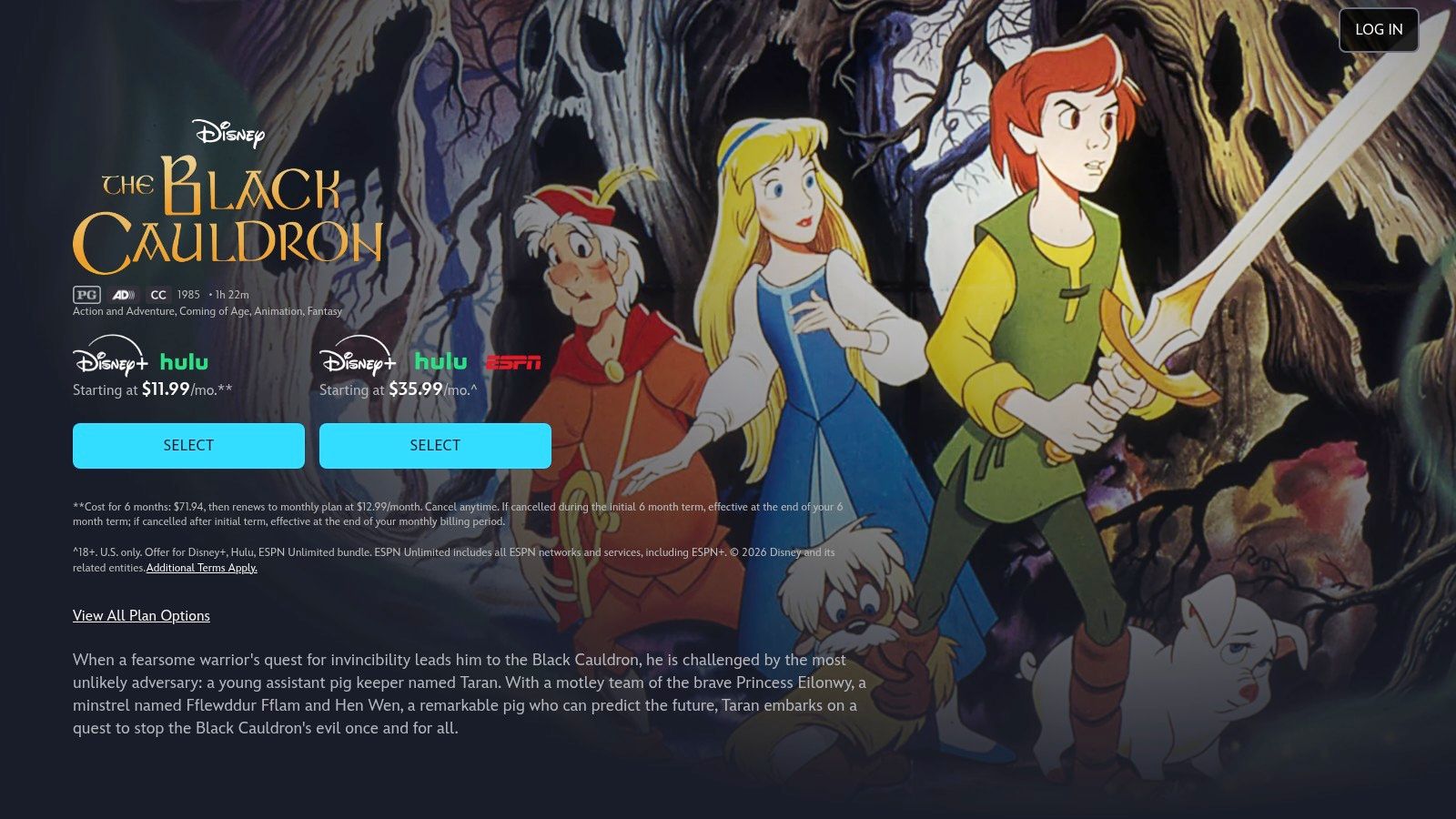
Among obscure Disney movies, this is one of the easiest to pitch and one of the hardest to package well. The film has a darker fantasy identity than is typically associated with Disney, and that contrast is the whole content hook. It feels less like a cuddly recommendation and more like a missing branch in Disney's creative history.
Historically, it matters more than many better-known catalog titles. The Black Cauldron premiered on July 24, 1985, carried a reported production cost of about $44 million, earned about $21 million in North America, and became Disney's first animated feature released with a PG rating, according to this Disney fact roundup. That combination gives creators a stronger angle than “underrated fantasy movie.”
Why it works for creators
The best episode framing isn't “is it good?” It's “why did Disney make something this dark, and why didn't audiences follow?” That question creates room for film history, audience targeting, villain design, and the risk of tonal mismatch inside a family brand.
Practical rule: If a movie's reputation is bigger than its current visibility, lead with the contradiction, not the plot.
A creator can turn this into:
- A podcast episode on Disney experimentation: Compare this film's darker quest tone with the safer formulas that followed.
- A YouTube breakdown of visual identity: Focus on the Horned King, hand-drawn fantasy imagery, and why the gothic look sticks.
- A short-form series on forgotten animation pivots: Pair it with other non-pirate fantasy adventures and link that interest to animated pirate movies for viewers who respond to quest-driven animation.
The trade-off is simple. The tone is memorable, but the pacing can feel uneven. That means creators should avoid overpromising it as a family crowd-pleaser and position it instead as a fascinating Disney outlier on Disney+.
2. The Black Hole (1979)
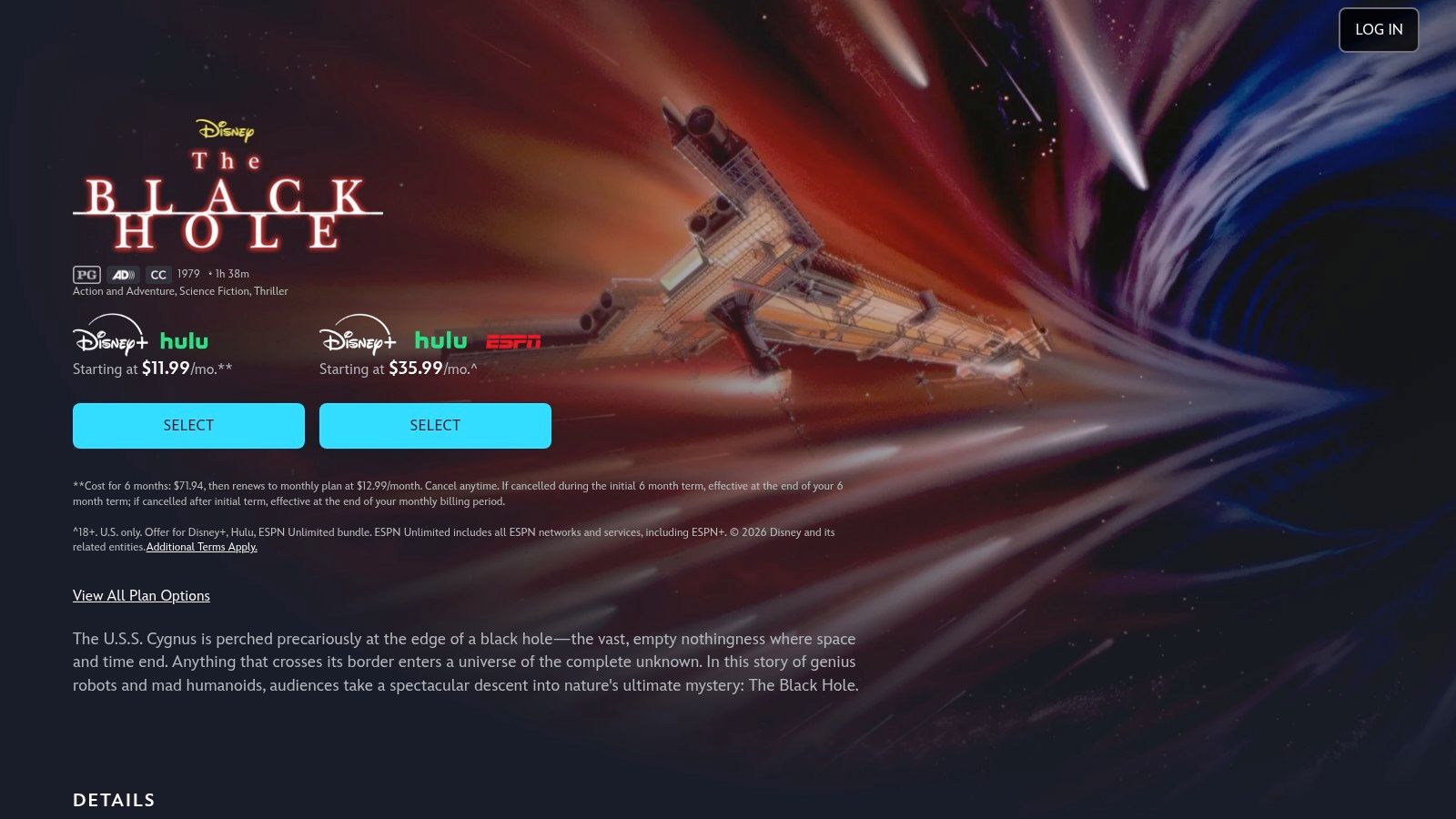
Some obscure Disney movies are useful because they're great. Others are useful because they're strange. The Black Hole belongs in the second group, and that's exactly why it works for content.
This is late-1970s Disney trying on serious science fiction with a moodier visual language than many people expect from the studio. The atmosphere does more work than the pacing. For creators, that's not a weakness. It's a production angle.
Best content angle
A strong episode here focuses on form over verdict. The practical-effects look, set design, robots, and score all give creators concrete visual and audio details to analyze. That's much stronger than generic “forgotten Disney sci-fi” labeling.
Obscurity gets easier to explain when a film doesn't fit the brand people think they know.
This title is especially useful for creators who want to talk about cinematic style. It pairs naturally with a discussion of framing, practical effects, and why older studio genre experiments still feel tactile. A companion piece around what cinematic video means in practice can help marketers and video creators turn a film review into a broader conversation about mood, lighting, scale, and production choices.
Good repurposing options include:
- One long-form episode: “Disney made a space movie that feels haunted.”
- Three Shorts or Reels: robot design, ending interpretation, retro production design.
- One carousel post: scenes that prove practical effects still have storytelling power.
The downside is discoverability after the click. Modern viewers often expect momentum that this film doesn't always deliver. The solution is framing. Sell the vibe, the design, and the oddity, then point viewers to Disney+.
3. Something Wicked This Way Comes (1983)
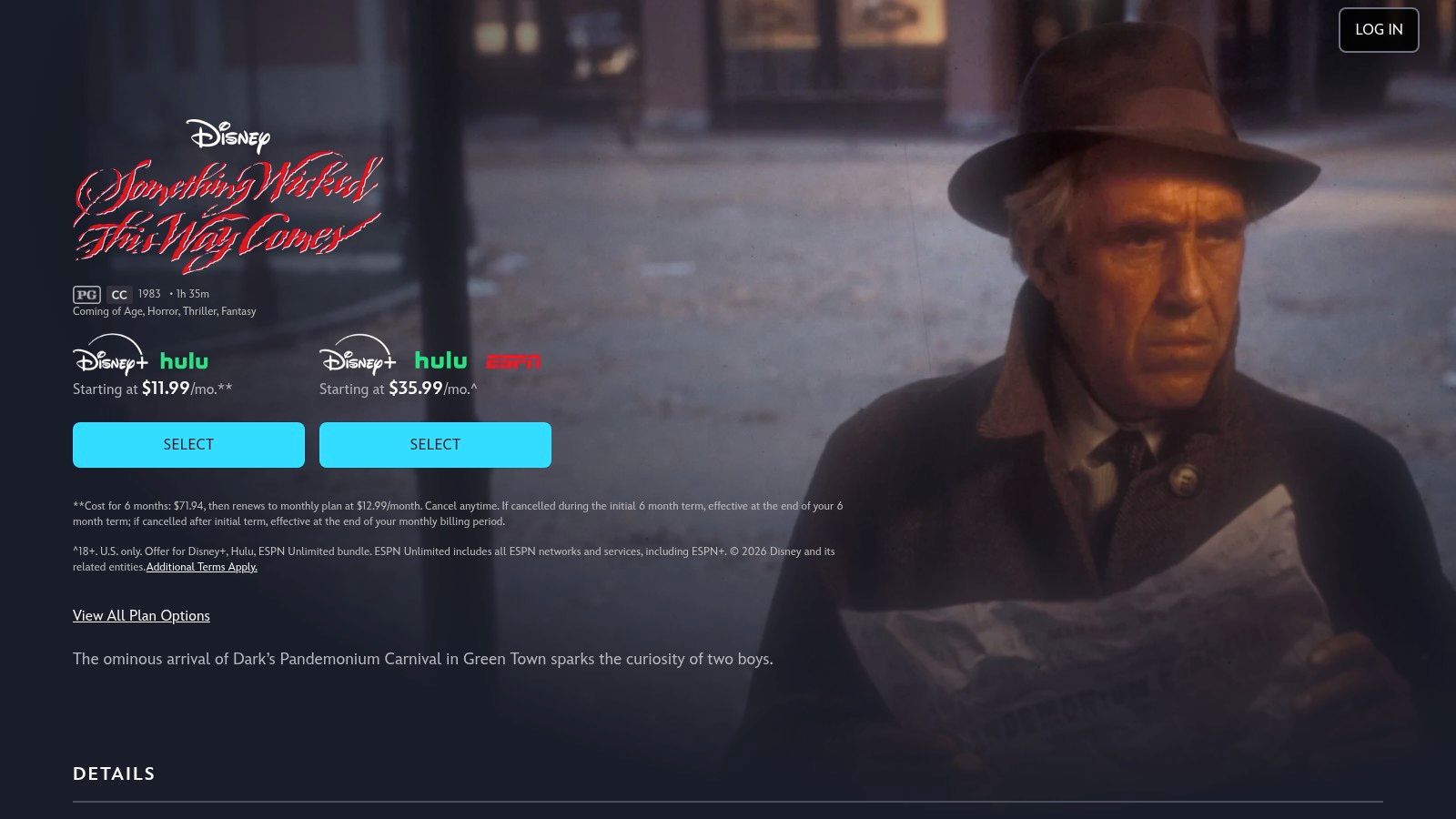
This is one of the best obscure Disney movies for seasonal programming. A spooky Disney title already has built-in intrigue, and this one has a cleaner hook than most because the premise is immediately legible: sinister carnival, small-town dread, coming-of-age fear.
It also helps that the film carries literary recognition through its Ray Bradbury roots. For creators, that expands the audience beyond Disney fans. A podcast can pull in horror-adjacent listeners, book adaptation fans, and people looking for autumn viewing recommendations that aren't the usual mainstream picks.
Where the episode hook lives
The strongest angle is contrast. Disney is normally associated with comfort, bright iconography, and broad family accessibility. This film leans into menace, atmosphere, and unease. That gap creates a better conversation than a simple review.
A creator can package it several ways:
- Autumn episode: “The eerie Disney movie seldom revisited.”
- Adaptation angle: what gets preserved or softened when Disney handles dark source material.
- Mood breakdown: color, carnival imagery, and why seasonal content works so well on social.
Short-form creators should cut clips around mood words, not plot summary. “Autumn,” “carnival,” “eerie,” and “forgotten Disney” are stronger entry points than character recaps.
The practical trade-off is audience fit. This isn't the title to recommend to parents looking for easy family comfort viewing. It's better for older kids, nostalgic adults, and creators who want “Halloween without going full horror.” That makes it a cleaner niche asset than a broad recommendation, and niche assets usually perform better when the packaging is clear. The platform availability also helps, since it's already on Disney+.
4. The Journey of Natty Gann (1985)
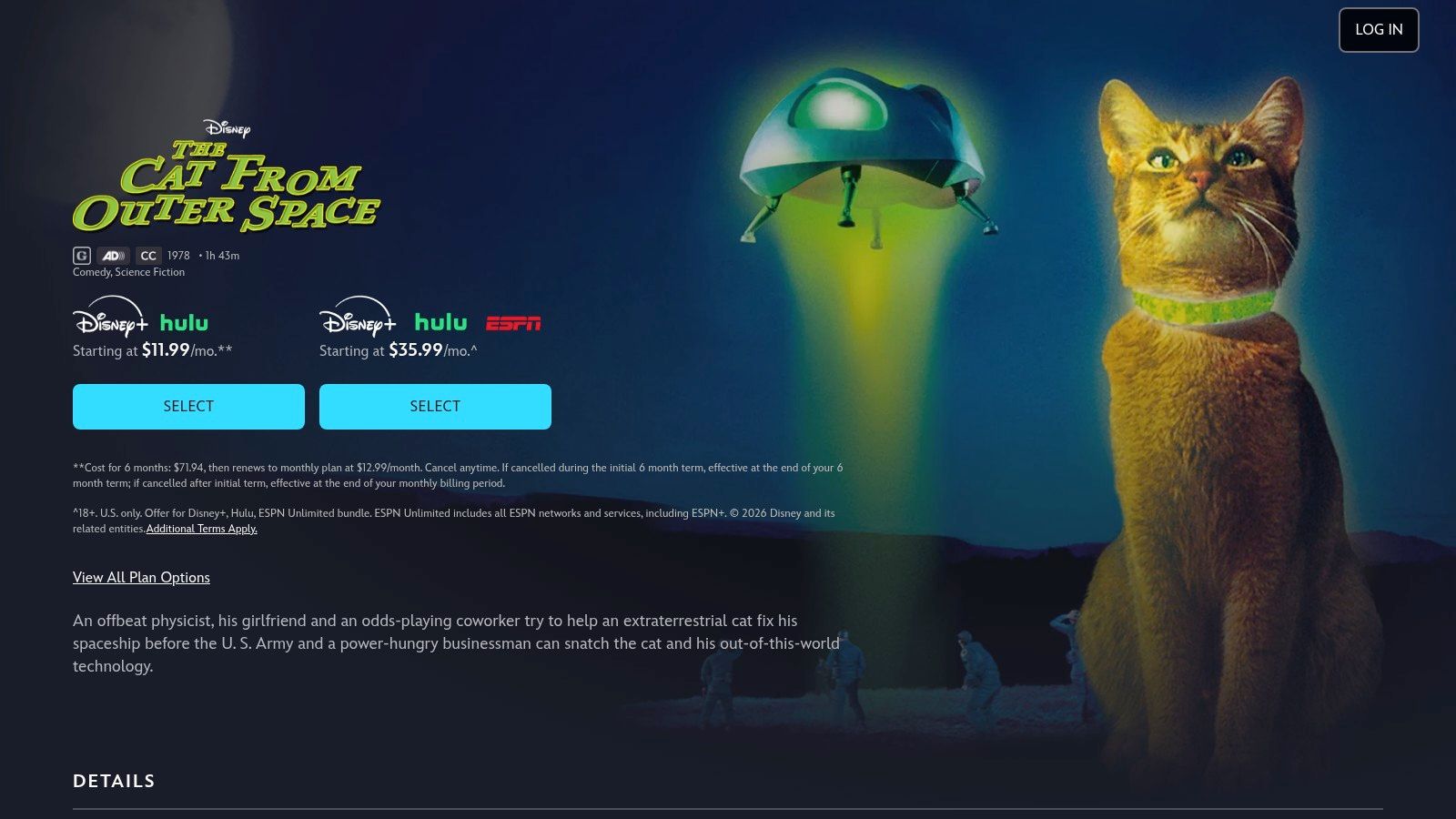
If the goal is to build authority instead of chase novelty, this is one of the smartest picks on the list. The Journey of Natty Gann doesn't rely on weirdness or shock value. It works because it gives creators a serious, emotionally clean story to discuss, with enough grit to feel substantial and enough heart to stay accessible.
That makes it a better podcast pick than a meme-driven social topic. A creator can build a strong episode around resilience, period setting, father-daughter separation, survival storytelling, and the difference between “family film” and “childish film.” Those distinctions matter when a show wants to sound thoughtful rather than algorithm-chasing.
Best use case for audience building
This title is especially effective for hosts who serve parents, educators, or culture-focused audiences. It supports a more reflective tone than many obscure Disney movies do. The road-story structure also makes the episode easy to organize into beats, which helps when scripting solo commentary or interview prompts.
A few practical formats stand out:
- Narrative podcast episode: focus on the emotional journey and Depression-era backdrop.
- Instagram carousel: “Forgotten Disney films with real stakes.”
- Newsletter recommendation: pair the movie with a theme like grit, hope, or coming-of-age storytelling.
The main limitation is speed. It won't generate instant curiosity the way a telepathic cat or space thriller will. That means the title card and episode framing have to carry more weight. Use language like “serious Disney,” “survival story,” or “forgotten road drama,” then link directly to Disney+.
5. Candleshoe (1977)
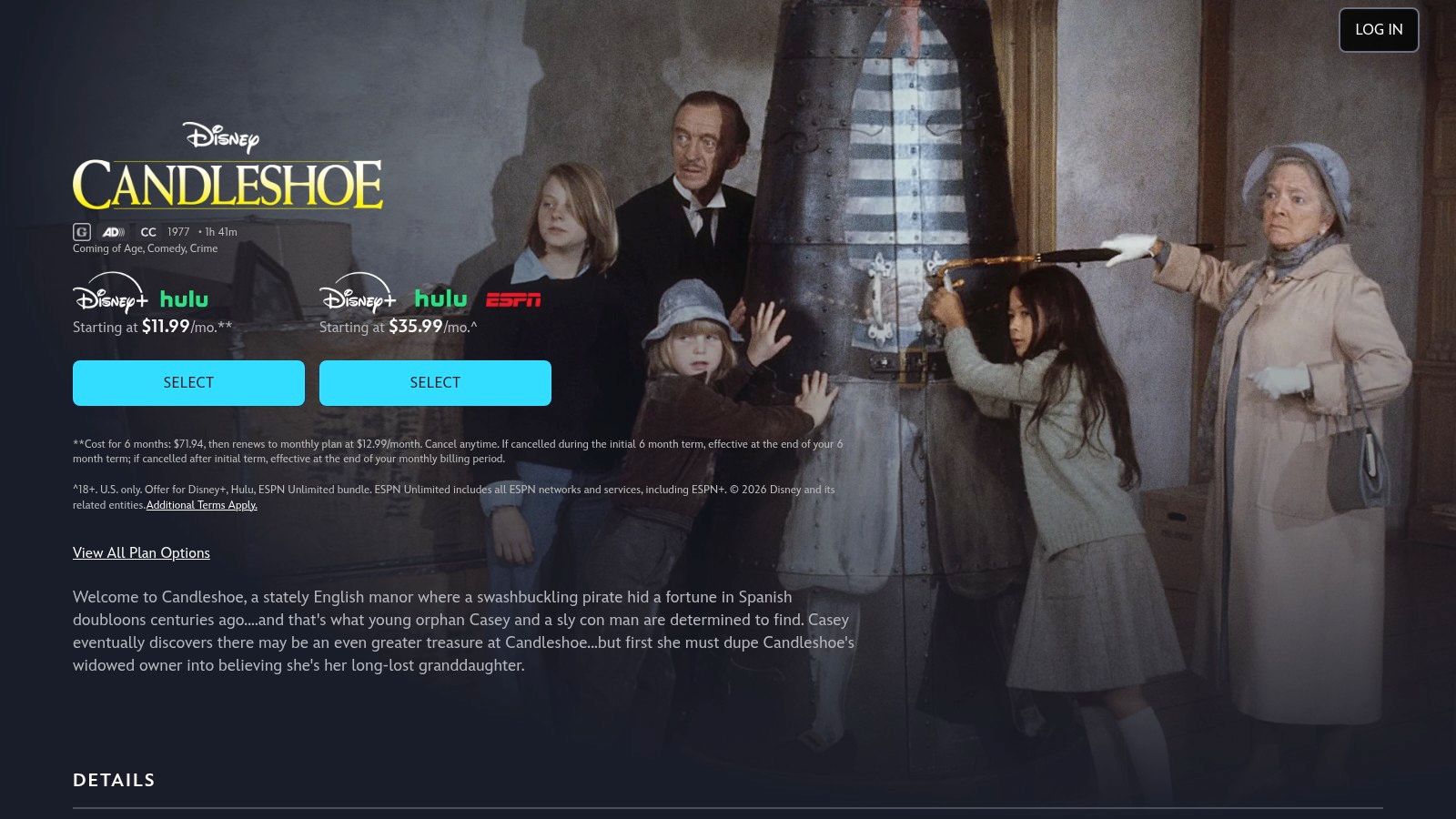
Candleshoe is one of the easiest obscure Disney movies to turn into warm, high-retention content. The caper setup is simple. The emotional center is clear. The treasure hunt hook is familiar enough to attract casual viewers without requiring deep Disney knowledge.
Here, creators often make the wrong move. They pitch it as a mystery first, when the better framing is “cozy Disney with a con-artist setup and found-family payoff.” That positioning gives the movie a clearer lane.
Content format that fits best
This film works especially well for brand-safe nostalgia content. It's ideal for a podcast episode that mixes recommendation with light analysis, and it's even better for short-form clips that package comfort, British-estate atmosphere, and old-school family adventure into one idea.
Use it like this:
- A comfort-watch video: recommend it for family movie night with a retro twist.
- A character-driven clip: spotlight Jodie Foster's screen presence and the setup's charm.
- A brand storytelling lesson: show how a simple premise becomes memorable through tone and character chemistry, then connect that to smarter content creation for brands.
Disney catalog analysis also benefits from genre framing. A Tableau review of Disney films found the studio's cumulative inflation-adjusted revenue was highest in the Adventure genre at about $20 billion in this Tableau Disney visualization. That doesn't prove any single title is a hit, but it does support why adventure-coded library films remain useful recommendation content.
The weakness is predictability. Creators shouldn't oversell the caper mechanics. Sell the charm, the estate setting, and the cross-generational appeal instead, then send viewers to Disney+.
6. The Cat from Outer Space (1978)
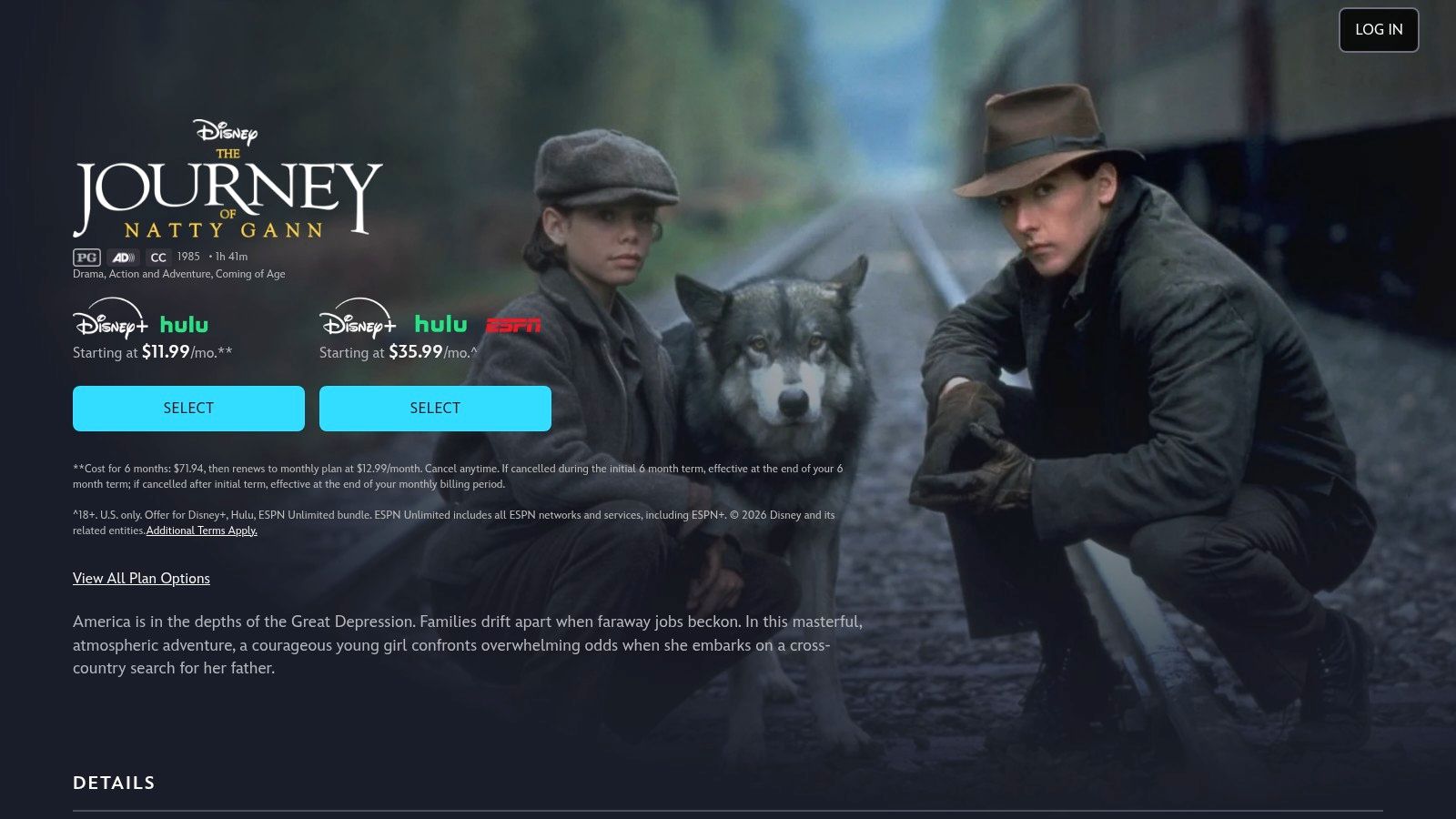
Some titles are made for thumbnails. This is one of them.
A telepathic alien cat is such a clean premise that the content packaging almost writes itself. That's rare among obscure Disney movies, where creators often have to explain why a title matters before anyone clicks. Here, the hook lands first and the explanation comes second.
What to do with it on social
This is the strongest pure social-media play on the list. It's light, weird, family-friendly, and easy to summarize in one sentence. That makes it useful for TikTok, Instagram Reels, YouTube Shorts, and even email subject lines built around curiosity.
The best execution is simple:
- Lead with the premise: “Disney made a movie about an alien cat.”
- Cut to payoff images or reactions: don't bury the hook under setup.
- Use it as a series entry: “wild Disney concepts that somehow got made.”
A lot of creators make obscure catalog content too serious. This movie rewards the opposite approach. Keep the energy playful, lean into the pre-CG effects, and let the novelty do the early work.
The easiest obscure title to market usually isn't the deepest one. That's fine. Use the accessible movie to bring new people into the broader series.
The trade-off is depth. There's less analytical meat here than with The Black Cauldron or Something Wicked This Way Comes. That makes it better as a gateway post than a flagship essay. Still, for creators trying to widen audience reach without losing the Disney niche, it's a practical pick on Disney+.
7. Island at the Top of the World (1974)
This is the kind of title that performs well when a creator knows exactly who it's for. Island at the Top of the World won't hook everyone. It will hook vintage-adventure fans, retro fantasy viewers, and audiences who love expedition stories, airships, matte work, and old-school “lost world” premises.
That specificity is a strength. Search behavior around obscure Disney movies often lumps very different categories together, but analysis of obscure Disney film coverage points out that live-action, animation, and era-based discovery problems aren't the same. This title proves the point. It shouldn't be marketed like a forgotten animated feature or a streaming-era hidden gem.
Why this one is stronger than it looks
The smartest content angle is retro adventure craftsmanship. Don't try to force modern relevance through speed or irony. Sell the airship expedition, Arctic mystery, and lost civilization concept as a vintage experience that still scratches a specific itch.
This one fits:
- Podcast mini-series on forgotten Disney live action
- YouTube essay on lost-world adventure storytelling
- Niche recommendation post for fans of pulp and Verne-style fiction
A useful modern frame is discoverability. Rotten Tomatoes' Disney+ hidden gems guide highlights many films that are available but still hidden in practice, which supports a broader point creators should use more often: obscurity today often comes from platform curation, not scarcity. That's why this movie can be visible on Disney+ and still feel buried.
Its limits are obvious. The effects and pacing show their age, and some dated cultural elements need honest framing. But honesty helps content. It gives the episode texture and credibility.
Comparison of 7 Obscure Disney Films
| Title | 🔄 Implementation Complexity | ⚡ Resource Requirements | ⭐ Expected Outcomes | 📊 Ideal Use Cases | 💡 Key Advantages |
|---|---|---|---|---|---|
| The Black Cauldron (1985) | High, dark tone + ambitious hand-drawn effects; uneven pacing | Moderate, short runtime and strong visuals, needs quality clips | High, strong cult interest among fantasy/animation fans | Deep-dive podcasts on Disney history; contrast shorts (then vs now) | Distinct gothic aesthetic; compelling case study in creative risk |
| The Black Hole (1979) | High, effects-driven, philosophical themes and ensemble cast | High, benefits from clips of miniatures, score, archival material | Moderate‑High, niche retro sci‑fi engagement | Analytical episodes on studio strategy; audiograms of the ending | Striking practical effects and unique atmosphere |
| Something Wicked This Way Comes (1983) | Moderate, literary adaptation with mood-forward direction | Moderate, seasonal promotion (Halloween) amplifies reach | High (seasonal), strong emotional resonance for spooky audiences | Seasonal/holiday specials; adaptation-focused discussions | Ray Bradbury pedigree; effective "gateway horror" tone |
| The Journey of Natty Gann (1985) | Moderate, period research and historical context required | Low‑Moderate, stills and historical facts suffice for content | Moderate, educational and heartfelt engagement | History-led episodes; educational carousels and retrospectives | Strong central performance; useful historical lens |
| Candleshoe (1977) | Low, straightforward caper and "found family" themes | Low, easy-to-source clips and star trivia | Moderate, nostalgia-driven family interest | Light nostalgia episodes; "forgot you knew this cast" shorts | Cross‑generational charm; notable early Jodie Foster performance |
| The Cat from Outer Space (1978) | Low, simple, kid-friendly comedic premise | Low, short clips and comedic framing work well | Moderate, feel-good engagement, broad family appeal | Comedy reels; comfort-watch recommendations | Goofy, dated effects that create nostalgic fun |
| Island at the Top of the World (1974) | Moderate, pulp adventure with vintage VFX to explain | Moderate, showcases airship designs, miniatures, matte work | Moderate, appeals to adventure and genre fans | Genre retrospectives; VFX "how it was made" shorts | Rare "lost world" premise and strong production design |
Turn Your Niche Passion into Authority
Exploring obscure Disney movies isn't just a fun nostalgia exercise. It's a sharp positioning strategy for creators who want to stop making interchangeable content. Anyone can publish another ranking of Disney classics. Fewer creators can explain why a dark animated misfire matters, why a spooky Disney title works for seasonal programming, or why a live-action adventure stays buried despite being easy to stream.
That's where authority starts. Not with broader coverage, but with better framing. The strongest creator move is to treat each film as a content vehicle with a specific use case. The Black Cauldron works for studio-history analysis. The Black Hole supports cinematic-style commentary. Something Wicked This Way Comes is ideal for autumn packaging. Candleshoe is pure cozy nostalgia. The Cat from Outer Space is made for curiosity-driven short form.
This approach also solves a common content problem. Creators often have one good idea and no system for extending it. A single episode on an obscure Disney title can become a YouTube upload, three to five shorts, an email recommendation, quote graphics, a carousel, and a follow-up episode that compares related films. That's how niche interest turns into a recognizable content lane.
Execution still matters more than the idea itself. Weak audio, flat editing, and no repurposing plan can waste a strong concept. That's why production support matters when a creator wants consistency instead of occasional inspiration. A team like Get Up Productions can help turn one thoughtful episode into a repeatable pipeline using a Content Waterfall approach, where a deep conversation becomes weeks of polished assets optimized for different platforms.
Creators who want the long game should also study a guide for mastering topical authority. The goal isn't just to recommend better movies. It's to become the creator people trust when they want sharper cultural picks, clearer analysis, and content that goes past the obvious.
Creators who already have the ideas but need help turning them into polished, authority-building podcast content can work with Get Up Productions. The team handles recording support, editing, YouTube-ready production, and multi-platform repurposing so every strong episode has a real chance to grow an audience.